Jun 26, 2026Market Insights
U.S. Supreme Court Strikes Down Trump-Era Emergency Tariffs: What It Means for Pet Companies Seeking Refunds
The Supreme Court’s ruling on IEEPA tariffs introduces the possibility of refunds for U.S. importers, including pet industry companies that have faced a 29% increase in tariffs over the past year.

The U.S. Supreme Court has issued a landmark ruling that could reshape tariff obligations for #petbrands and import‑reliant companies. On 20 February, the Court determined that tariffs imposed under the International Emergency Economic Powers Act (IEEPA) exceeded the authority granted to the President. While the act allows the President to regulate or restrict certain imports during a declared national emergency, the Court clarified that tariff imposition does not fall within those powers.
Following the ruling, the U.S. Court of International Trade (CIT) announced that importers may be eligible to recover previously paid tariffs. The CIT emphasized that it will evaluate claims directly, though the timeline and procedural details remain uncertain — creating operational ambiguity for companies that have paid substantial tariff amounts.
According to the American Pet Products Association (APPA), tariffs on the U.S. pet industry increased by approximately 29% over the past year, intensifying cost pressures across the sector. For brands already navigating margin compression, this ruling introduces both opportunity and uncertainty—especially for companies with heavy import exposure in categories like harnesses, leashes, collars, and other functional #petgear.
BARK Moves to Recover Tariff Payments
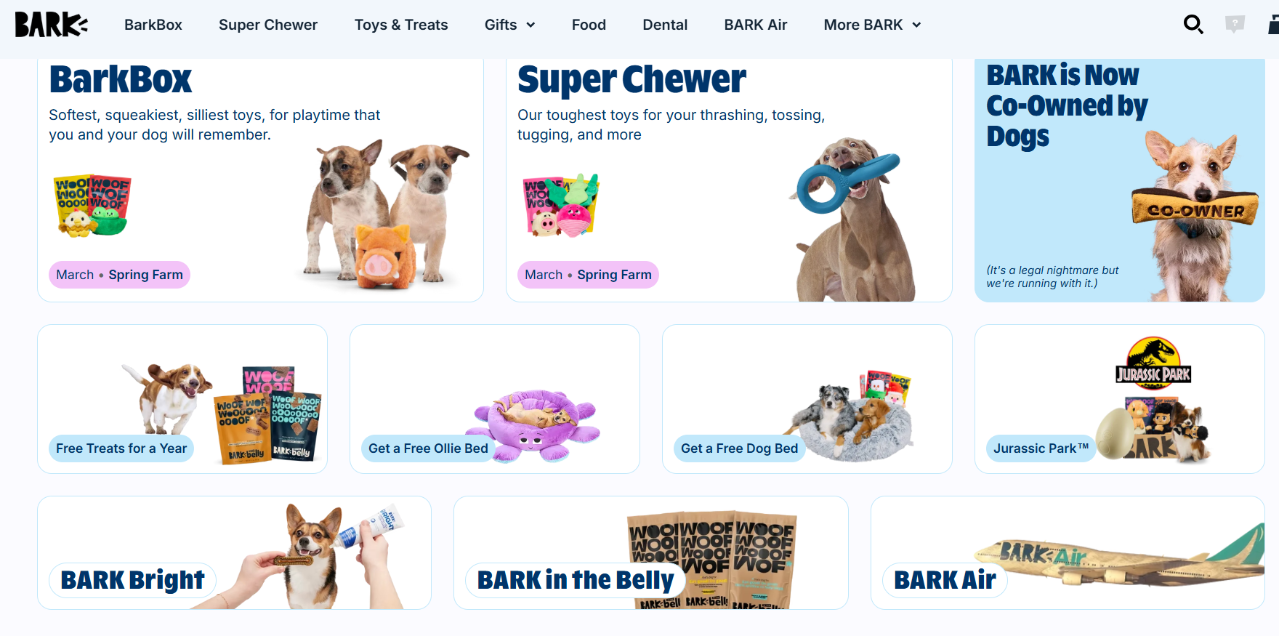
In March, U.S. omnichannel dog brand BARK announced its intention to pursue tariff refunds. The company stated that it will “maintain all legal and administrative rights to the recovery of IEEPA tariffs paid,” while acknowledging that the timing and amount of any recovery remain unclear.
BARK disclosed that it has paid approximately $15.4 million (€13.2M) in incremental tariffs, including $10.5 million (€9M) allocated to cost of goods sold for the fiscal year ending 31 March 2026.
The announcement accompanied an update on BARK’s cost‑reduction initiatives completed in the fourth quarter of fiscal 2026, part of a broader effort to improve operational efficiency. The company reported weaker financial performance earlier in February:
- Q3 revenue (ending 31 December): $98.4 million, down 22.1% YoY, below guidance
- Net loss: $8.6 million (€7.4M)
For brands like BARK, tariff refunds could meaningfully offset cost pressures—especially in product categories where imported materials and components dominate.
Tariff Impact Extends Across U.S. Retailers
Other major #petretailers are also feeling the effects of tariff exposure.
During its February earnings release, Central Garden & Pet CFO Bradley G. Smith noted that the company expects incremental YoY gross tariff exposure of roughly $20 million (€17M) for the fiscal year, concentrated in the #petsegment. Smith added that the company plans to mitigate the impact through pricing actions, portfolio adjustments, and supply chain initiatives.
Petco has reported similar challenges. Last year, CFO Sabrina Simmons explained that tariffs began affecting the company’s cash flow, stating that the first meaningful tariff impact on cost of goods sold appeared in Q3, with a larger effect expected in Q4.
This year, Simmons reaffirmed the expected tariff impact but expressed optimism about the potential for refunds—an important signal for retailers managing tight margins and high inventory costs.
Pet Companies Seek Clarity as Legal Process Evolves
APPA Chief Marketing Officer Patrick O’Brien told GlobalPETS that the association is closely monitoring the litigation to support #petcompanies navigating the evolving situation.
“We know many of our members are actively following this lawsuit, and the strong turnout for our recent Office Hours underscores how important timely, practical clarity is right now,” O’Brien said.
APPA advises companies to consult qualified trade counsel and compliance professionals as enforcement and refund procedures take shape. The association believes that the Supreme Court decision, combined with the CIT’s ruling, may help stabilize policy implementation and bring greater predictability to the industry—enabling #petbusiness leaders to make more confident strategic decisions.
For brands operating in categories with heavy import reliance—such as harnesses, leashes, recovery suits, and other functional outdoor gear—predictability in tariff policy is directly tied to cost control, pricing strategy, and supply chain planning.
What This Means for the Pet Industry
- The Supreme Court ruling introduces a potential pathway for significant tariff refunds, which could ease financial pressure across the #petsector.
- With tariffs having risen 29% over the past year, many companies have already absorbed substantial cost increases.
- Greater policy predictability may help stabilize planning for inventory, pricing, and supply chain operations.
- Retailers and brands may temporarily face uncertainty as the CIT defines the refund process, creating short‑term operational complexity.
What This Means for Pet Brands Working with OEM Partners
1. The Problems Brands Are Facing
- Tariff volatility has increased landed costs and compressed margins.
- Companies lack clarity on refund timing, complicating cash‑flow planning.
- Retailers are under pressure to maintain pricing while absorbing higher import costs.
- Supply chain disruptions make it harder to forecast demand and manage inventory.
2. What Pet Brands Now Need
- Cost‑efficient production to offset tariff‑related expenses
- Flexible manufacturing capacity to adjust quickly as tariff policies evolve
- Stable supply chains that reduce risk and prevent stockouts
- Operational efficiency to protect margins during periods of uncertainty
3. How OEM Partners Create Value
A strong OEM partner can help brands navigate tariff‑driven volatility by offering:
- Cost control through optimized materials and scalable production
- Flexible manufacturing that adapts to shifting demand or pricing pressures
- Faster development cycles for essential gear like harnesses, leashes, and recovery suits
- Reliable supply chain systems that maintain product availability even during policy shifts
For brands selling functional outdoor pet gear, these capabilities directly support margin protection and long‑term competitiveness.
Source: GlobalPETS